



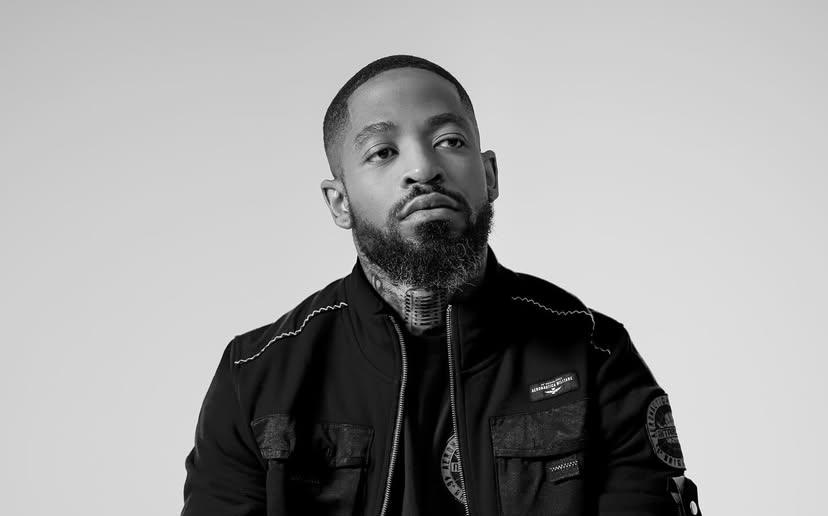

Prince Kaybee has once again found himself at the centre of a buzzing music conversation after sharing his honest views on Amapiano and Hip-Hop. Known for never shying away from bold opinions, the house music hitmaker took to his X (formerly Twitter) account to unpack how he sees the two genres, sparking widespread discussion across social media timelines.
The conversation was ignited after a social media user commented on the fast-paced output of Amapiano artists, saying, “Piano artists are on crack man! It takes hip hop artists 3 years to make 12 tracks album and these niggas make a 30 track album in 2 months.” Prince Kaybee responded with a detailed breakdown, offering insight from a musician’s perspective rather than simply dismissing the comment.
According to Prince Kaybee, Amapiano and Hip-Hop are “two different disciplines” that require very different creative approaches. He explained that Amapiano is essentially slowed-down house music, noting that the genre benefits from a wide canvas of existing ideas drawn from past house records. While he acknowledged the creativity of Amapiano producers, he pointed out that much of the genre is rooted in sounds that have existed for years within house music.
To further support his point, Prince Kaybee referenced one of the genre’s biggest songs. “The biggest Amapiano song is Tobetsa, a Bacardi masterpiece that is also house music inspired,” he said, highlighting how Amapiano borrows heavily from established house sub-genres while adding its own modern flair.
When comparing Amapiano to Hip-Hop, Prince Kaybee emphasized the technical demands of rap music. He described Hip-Hop as a genre that requires deep lyrical skill, including internal and multisyllabic rhymes, advanced wordplay, punchlines, metaphors, and similes. According to him, Hip-Hop artists must balance complex lyrical structures with appealing beats, making the creative process far more time-consuming.
“So yes, it will be easier to do an Amapiano album in two days than it is with Hip-Hop,” he concluded, a statement that quickly divided opinions online.
While some fans felt his comments undermined the hard work of Amapiano artists, others praised his honesty and agreed with his technical assessment. Regardless of where one stands, Prince Kaybee’s remarks have reignited an important conversation about creativity, effort, and respect across South Africa’s dominant music genres — proving once again that music debates are as alive as the culture itself.