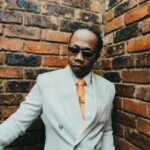
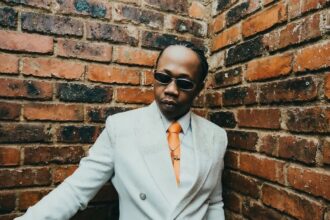




South African Amapiano hitmaker DJ Maphorisa, real name Themba Sekowe, is embroiled in a fiery legal battle with the South African Revenue Service (SARS), taking the tax authority to the Tax Court at Megawatt Park over a R3 million bill and severe penalties. The Scorpion Kings star, also known as Madumoney, has declared war on SARS after they allegedly accused him of tax evasion dating back to 2015.
According to Sunday World, the dispute stems from SARS imposing a staggering 200% penalty on his assessed tax debt, which they claim arose from intentional tax evasion. The penalties were levied following an audit that SARS finalised in December 2018. The audit allegedly found that DJ Maphorisa failed to respond adequately to their findings, prompting SARS to proceed with the information available to them.
In court documents reportedly seen by the publication, SARS accused Maphorisa of not submitting key financial documents on time, including IRP5/IT3 certificates, bank statements, and investment income details. The delay, according to the artist, was due to mental health challenges he was facing at the time.
The DJ initially appealed the assessments in July 2022 for the 2015 to 2016 tax years, and again in September 2022 for the 2017 year. In his appeal, Maphorisa argues that SARS unfairly ignored legitimate deductions and expense claims, which he says would have significantly reduced his taxable income.
He further contends that the penalties imposed were “unreasonable” and that the amounts assessed by SARS include inter-account transfers that do not qualify as income. “The appellant maintains that he has provided sufficient evidence demonstrating that the disputed amount is not part of his gross income,” the documents reveal.
The ongoing court case highlights a growing tension between high-profile entertainers and the taxman, particularly in the Amapiano scene where rapid financial growth and informal earnings structures have sparked increased scrutiny from SARS.
DJ Maphorisa’s legal challenge represents a bold move to confront what he sees as an unfair and excessive tax demand. With the case now before the South African Tax Court, all eyes will be on the outcome as it could set a precedent for how SARS deals with artists in the future.