




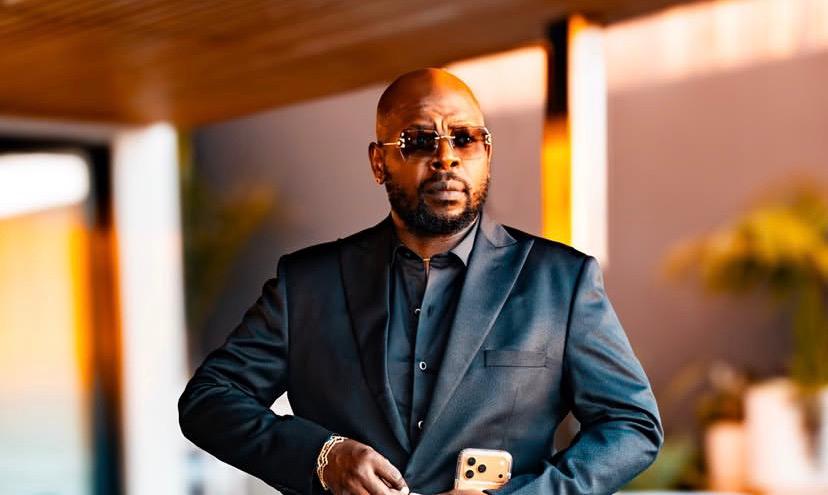

South African DJ and producer DJ Maphorisa has opened up about the international growth of Amapiano, claiming that South Africans effectively gave Nigerian artists the “green light” to embrace and experiment with the genre.
Maphorisa made the remarks while discussing the growth of Amapiano beyond South Africa and the role that collaborations between artists from both countries played in helping the sound reach wider audiences.
According to the acclaimed producer, one of the important moments in that journey was “Sponono,” a major collaboration involving Kabza De Small alongside Nigerian music heavyweights Burna Boy and Wizkid. The record brought together some of the biggest names from South Africa and Nigeria, creating a musical bridge between the two countries.
For Maphorisa, collaborations such as “Sponono” helped Nigerian audiences become more familiar with Amapiano while demonstrating how naturally the sound could work alongside other African musical styles.
“So, doing that, I knew that we gave them a green light to do Amapiano,” Maphorisa said.
The producer’s comments highlight how cross-border collaborations have contributed to the genre’s rapid expansion across the continent. While Amapiano originated in South Africa, its rhythms and production style have increasingly influenced artists in different African markets, with Nigeria becoming one of the genre’s most important international territories.
“Sponono” remains an example of how the two music industries can come together to create records that travel beyond their original markets. The involvement of Burna Boy and Wizkid also gave the collaboration significant visibility among Nigerian and international audiences.
Maphorisa has played a major role in Amapiano’s development and internationalisation, particularly through his work alongside Kabza De Small as part of the Scorpion Kings. His extensive collaborations with artists across Africa have also helped expose South African sounds to new audiences.
During the discussion, the producer also acknowledged the influence Nigerian musicians have had on him throughout his own career. He mentioned several major figures from Nigeria’s music industry, including Don Jazzy, D’banj, P-Square and Davido.
His recognition of their influence reflects the long-standing relationship between South African and Nigerian music, two of the continent’s most powerful entertainment markets.
“Nigerians are very smart, and they are very aggressive,” Maphorisa said, highlighting the entrepreneurial and ambitious approach he believes Nigerian artists have brought to the African music industry.
The comments come as Amapiano continues to evolve internationally, with artists from different countries incorporating elements of the South African sound into their own music. The genre’s global growth has sparked conversations about ownership, influence and the importance of collaboration, but Maphorisa’s perspective focuses on the role of early musical exchanges in creating opportunities for cross-cultural experimentation.
For him, the “green light” was symbolic of an open door between South African and Nigerian artists. Collaborations such as “Sponono” helped establish that connection, allowing Amapiano to travel further while creating new possibilities for artists from both countries.
As the genre continues its global journey, the relationship between South African pioneers and international artists remains an important part of Amapiano’s expanding story.