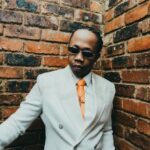
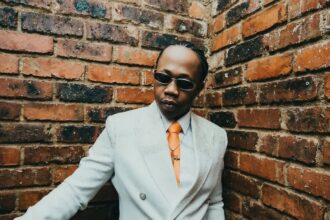

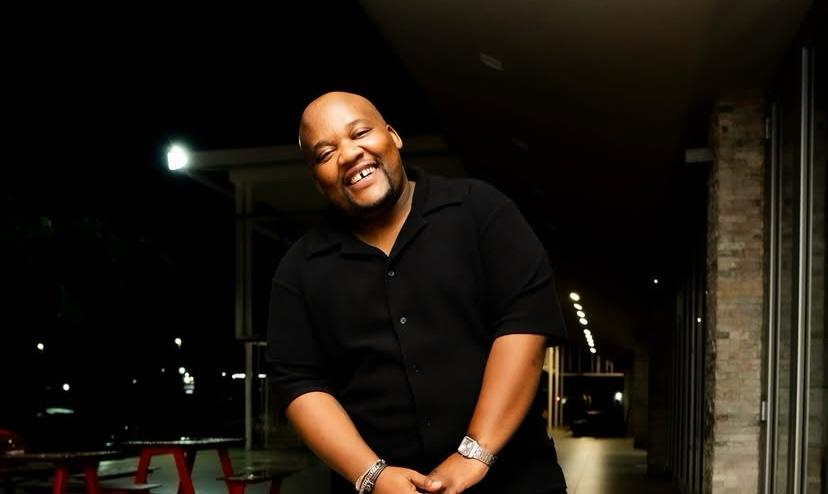

Leehleza has spoken out following controversial remarks made by music commentator Nota Baloyi on the Piano Pulse podcast. The outspoken podcaster recently claimed that Leehleza makes “nonsense music,” a statement that quickly gained traction online and sparked debate among fans and industry observers. The comments did not sit well with the artist, who has since responded publicly, making it clear that he has had enough of what he views as unfair criticism from podcasters.
Taking to his Instagram story, Leehleza addressed the situation directly and emotionally. He wrote, “Real Talk!! One Day Khona Ozofa kulama Podcast I’m telling you ….. Akudlalwa ngeSinkwa somuntu!!” The message, delivered in a mix of English and isiZulu, expressed his frustration with podcasters who, in his view, disrespect artists and undermine their livelihoods. While his words were strong, many supporters interpreted them as a cry against ongoing negativity rather than a literal threat.
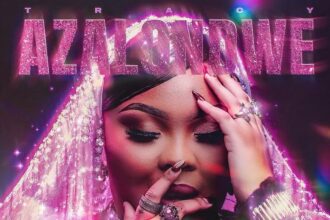
Leehleza is currently enjoying momentum in the music industry, particularly with his recent release “Tobetsa 3.0,” which has been gaining attention on streaming platforms and social media. The song’s popularity suggests that there is a solid audience connecting with his sound, despite criticism from certain commentators. Some fans believe Nota’s remarks may have been aimed at the song’s lyrical style or overall approach, which has sparked mixed reactions among listeners.
The incident has once again highlighted the growing tension between artists and podcast personalities in South Africa’s music space. While podcasts have become powerful platforms for music discussion and critique, many artists feel that commentary often crosses the line from constructive criticism into disrespect. Leehleza’s response reflects a broader sentiment among creatives who believe their hard work is sometimes dismissed too casually.
Supporters of Leehleza have rallied behind him online, praising him for standing up for himself and calling for more respectful conversations about artists and their craft. Others have urged both sides to engage in dialogue rather than public clashes, suggesting that criticism and creativity should coexist without personal attacks.
As Leehleza continues to make waves with his music, the situation serves as a reminder of the pressures artists face in the public eye. Whether loved or criticized, his growing visibility shows that he remains a relevant voice in the scene. For now, Leehleza appears focused on his music, determined to let his work speak louder than podcast opinions.