

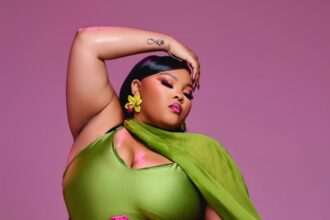


South African vocalist and songwriter Makhanj continues to rise as one of the genre’s most distinctive voices—effortlessly blending soulful lyricism with the pulse of Amapiano. Fresh off the release of Mix It Up Vol. 4, a cross-cultural collaboration led by Uncle Waffles and backed by Nando’s UK and Bridges for Music. Makhanj sits down with us to unpack her creative process, her love for collaboration, and her vision for the future of African music.

1. How did you become involved in Mix It Up Vol. 4, and what was your initial reaction when you found out you’d be working with Uncle Waffles and other international artists?
I was approached by the Nando’s UK and Bridges for Music SA teams. I was elated. I had worked on Volume 2, so to be called back was a great feeling.
2. You’re featured on two of the three tracks — “Jozi” and “Bad One.” What was the creative process like for each, and how did you approach bringing your unique South African sound to both songs?
It all happened so organically. On both of the songs, the producers played the beats and had us going crazy in studio. Chy laced her verse and me doing the chorus came to basically amplify what she’d already done.
With “Bad One”, it was us just vibing in the studio, listening to Ghetts freestyle — trying different things, finding cool new ways to elevate the song. Both sessions were different, but we had tons of fun. I just wanted to record whatever felt true to me, even if it sounded different from what I usually do. I love that I tried something new.
3. As the only artist featured twice on the EP, what message or energy did you want to bring across your contributions?
That individuality is key! Individuality also doesn’t mean sameness—it means breaking the box and having fun.
4. “Jozi” beautifully captures the energy of Johannesburg. How did that environment influence your writing and performance on the track?
Honestly, the hustle and bustle of the city, the eagerness to make it, and staying focused even with adversity and naysayers — all of that bled into the song. Essentially, Chy is saying she’s here to stay no matter what, and I’m confirming that in the chorus. It’s a great attitude to have in a city like Jozi Maboneng.
5. Working with artists like Chy Cartier from the UK and Ghetts, a rap legend, must have been a creative exchange. What did you learn from collaborating across cultures and genres?
I think we think too critically about collaborating—it should be easier. We’re so different, but we have so many similarities. Mix It Up allows us to see that in real time. Music is a universal language; it may be tricky at first, but in the end, it’s always worth it. Showing up as yourself is always the best way, because then you can come together in a powerful, authentic way.
6. How do you feel about the way Mix It Up Vol. 4 blends Amapiano with global influences like hip-hop, pop, and Caribbean sounds?
I absolutely love how they highlight collaboration. Everyone is important, everyone has something to offer—and seeing that play out is so encouraging. Music is music at the end of the day. We may not always understand the language, but we can always feel the emotion, the rhythm, and the vibes.
7. Uncle Waffles served as executive producer on the project — what was it like working under her vision and leadership?
It was so interesting watching her in studio mode. She is an absolute force!
8. Bridges for Music is known for building cultural bridges through art. How do you see this kind of initiative shaping the future of African music globally?
I love what Bridges for Music stands for, and I’m so thankful to be part of their story. We’ve seen the importance of collaboration and how much further we can go together.
We’ve been divided for centuries, and that’s a main reason for the fractions we see on our continent. It’s vital that we understand the importance of coming together.
9. How did Nando’s creative support—from studio sponsorships to international logistics — impact your ability to be part of this project?
Firstly, thank you for the food! Secondly, the vibes were always on top — they have such a super fun team.
10. Beyond Mix It Up Vol. 4, you recently dropped “Kukuwe (Radio Edit)” with Stixx and Deeper Phil. How does this single reflect your growth and direction as a solo artist?
It’s such a different vibe from what I’ve dropped before — that alone shows there’s always room for growth and betterment. I’d never worked with Stixx and Deeper Phil on a song before, and we had such a wonderful time. It reminded me that as important as it is to work with your people, it’s also good to let new people in.
11. How would you describe your sound to someone hearing Makhanj for the first time, and what makes it distinct in the Amapiano landscape?
I like to reference my music to my favourite colour — yellow. Yellow can be warm, calming, and hopeful, but it can also be intense. By virtue of being me, that’s my signature. My story, my faith, my way of relating to music — that’s what sets me apart.
12. You’ve worked with both established producers and emerging talents — how do you balance collaboration with maintaining your authentic voice?
I never forget what makes me unique. While I’m open to growth and improvement, I stay rooted in why God placed me here. Every collaboration teaches me something. They call me to sessions because they value what I bring — and I can’t forget that.
13. What does it mean to you to represent South Africa on a global stage alongside artists from Nigeria and the UK?
It’s incredible. I love being from South Africa, I love being African. We’re so special — we knew that before anyone else did. To be validated and seen as big players on the world stage is beautiful to witness and to be part of.
14. Where do you see Amapiano heading in the next few years, especially with so many international artists now embracing the genre?
I don’t think we have an inkling of what Piano is yet to do—we just need to make sure we’re part of it every step of the way!
15. Looking ahead, what can fans expect from Makhanj — more collaborations, a full project, or perhaps another global crossover moment?
Everything you’ve listed and so much more! I’ve got more of a pep in my step, and I want to show more than just the music! I’ll be leaning more into my show producer and writer side. But above all — music, music, and more music. An album is definitely on the way.
Makhanj’s journey is proof that authenticity travels — from the streets of Jozi to studios across the world. With her fearless individuality and soulful sound, she’s not just part of the Amapiano movement — she’s helping define its future.