




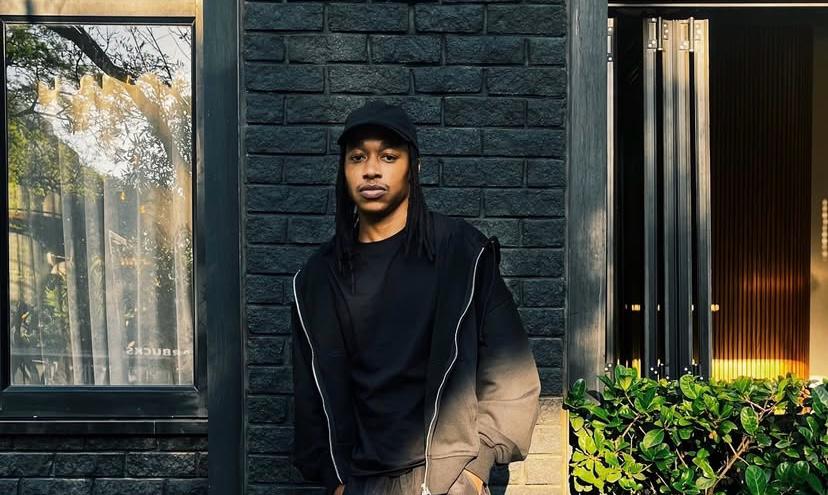

South African producer Rea Gopane is stepping confidently into a defining chapter of his career with his debut album REATLEGILE, a project he describes as a deeply intentional body of work that goes beyond music. In an exclusive interview with The Yanos Magazine, the rising sonic architect unpacked the vision, emotion, and innovative thinking behind the highly anticipated release.
1. Your debut album REATLEGILE marks a major milestone — what does this project personally represent for you at this stage of your career?
REATLEGILE is a moment of alignment for me. It represents clarity, discipline, and intention. Over the past few years, I’ve been experimenting, learning, and building quietly. This album is the first time everything feels fully intentional sonically, emotionally, and visually. It’s not just a debut; it’s a statement of identity and direction.
2. The title REATLEGILE translates to “we have succeeded” — what does success mean to you beyond streaming numbers and industry recognition?
Success, for me, is internal before it’s external. It’s about creating something that feels honest and timeless. It’s about control, owning my sound, my narrative, and my pace. Beyond numbers, success is when the music connects deeply with people and becomes part of their lives, their memories, their nights.
3. Your breakout single “Suka!” has surpassed 8 million streams — did you expect that level of impact, and how did it change your trajectory?
I didn’t expect it to reach that level so quickly, but I knew it had a certain energy. “Suka!” showed me the power of simplicity and feeling. It shifted my perspective, it made me realise that the global audience is listening, and it pushed me to think bigger, move smarter, and build with more intention.
4. You’ve described your music as “building sonic environments” — can you take us deeper into what that process looks like in the studio?
I approach music like I’m designing a space rather than just making a song. It starts with mood, usually chords or textures that feel like a specific time of night. From there, I layer elements slowly: bass, rhythm, subtle details. I leave space intentionally. The goal is to make the listener feel like they’re inside something, not just listening to it.
5. Your sound blends Amapiano with neo-soul and atmospheric electronic elements — how did you develop this distinct sonic identity?
It came from not wanting to sound like everyone else. I’ve always been drawn to emotion in music i.e neo-soul, ambient textures, minimalism. I combined that with Amapiano’s rhythm and groove. Over time, it naturally evolved into something that feels more cinematic and introspective.
6. There’s been growing conversation about your use of modern creative technologies — how do you respond to the debate around technology shaping music creation?
Technology is just a tool. What matters is intention and taste. The same way instruments evolved over time, creative tools evolve too. For me, it’s about using whatever allows me to express ideas more clearly and efficiently. The human element, emotion, direction, vision and that can’t be replaced.
7. Many artists focus on hit-making, but you emphasize emotion and atmosphere — how do you balance artistic intention with audience expectations?
I don’t separate the two. When something is honest and well-crafted, people feel it. I focus on creating something that resonates first, and the audience usually meets me there. The goal isn’t just to make hits, it’s to make music that lasts.
8. Tracks like “Nginawe,” “Thinking of You,” and “Be My Hero” have built strong momentum — how do these songs connect to the overall story of REATLEGILE?
Each track represents a different emotional layer of the same night. REATLEGILE is structured like a journey, from introspection to connection, from solitude to energy. Those songs are key moments within that journey. They carry the emotional core of the project.
9. Coming from Gopane Village in the North West, how has your background influenced your sound and creative perspective?
Growing up in Gopane grounded me. It gave me a strong sense of identity and perspective. There’s a certain stillness and depth that comes from that environment, and I think that translates into my music. It keeps me focused and intentional, no matter how things grow.
10. As Amapiano continues to shape global music, where do you see your role within this movement — and what do you hope listeners take away from REATLEGILE?
I see myself as someone pushing the emotional and sonic boundaries of Amapiano. Expanding what it can feel like, not just what it sounds like. With REATLEGILE, I want listeners to feel something lasting, something they can return to. It’s about creating a world, not just a moment.