





The amapiano community has been shaken by the unfolding saga of Tebogo Mashego, the young artist behind the hit track “Biri Marung.” What began as a career-defining release has now turned into a storm of allegations, financial struggles, and heated public debates involving some of the genre’s biggest names.
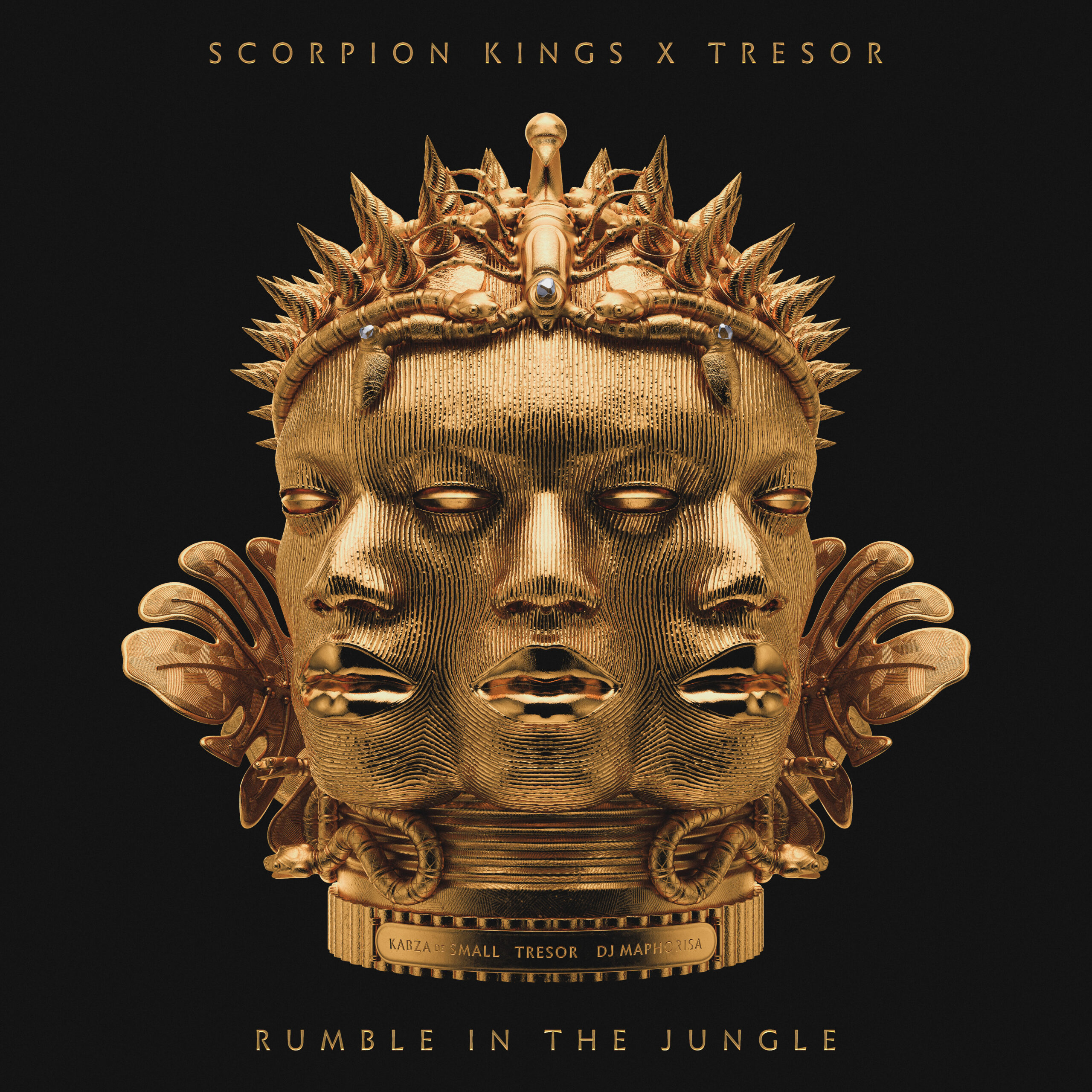
Speaking out on social media, Mashego alleged, “Scorpion Kings and Sony Music have made millions from ‘Biri Marung,’ yet I have not received my fair share.” He claims the duo of DJ Maphorisa and Kabza De Small, along with their label partners, pocketed more than R64 million from recent performances and events, while he has been left with nothing. He is now demanding R23 million in unpaid royalties.
The controversy deepened when Mashego revealed that he was stranded in Nigeria after a promised gig fell through. In a tearful live video, he explained that he lacked the funds to return home. This revelation drew sympathy from fans and peers alike, exposing the harsh realities many young artists face when navigating the music industry without the backing of strong management.
Amid the crisis, DJ Karri stepped in to assist. “I couldn’t watch a brother in music struggle like that,” Karri said after booking a flight for Mashego to return to South Africa. His gesture was widely praised across social media, with fans highlighting the importance of solidarity within the amapiano movement.
Mashego has also stirred further headlines with his outspoken Instagram Live sessions, where he made pointed remarks about Scott’s Maphuma and Toss. He alleged that Maphuma is not originally from South Africa and that the BMW M4 often associated with him actually belongs to Gipa Entertainment, not to Maphuma personally. Mashego went on to claim that Toss’s luxury items, including clothing and accessories, are fake. These explosive comments sparked divided reactions online, with some praising his boldness and others criticizing him for shifting the focus away from his core royalty battle.
The situation has triggered a wider conversation about royalties, contracts, and fairness in the music industry. Many fans and artists have rallied behind hashtags such as #PayTebogo and #BiriMarungRoyalties, demanding that structures be put in place to protect creators from exploitation. For others, the story is a cautionary tale about the importance of proper agreements and financial literacy in the fast-rising amapiano genre.
While Scorpion Kings and Sony Music have yet to issue a detailed response, the case continues to trend across platforms. For Tebogo Mashego, what was once a breakthrough moment has become a fight not only for his own earnings but also for accountability in one of South Africa’s most influential cultural exports.