




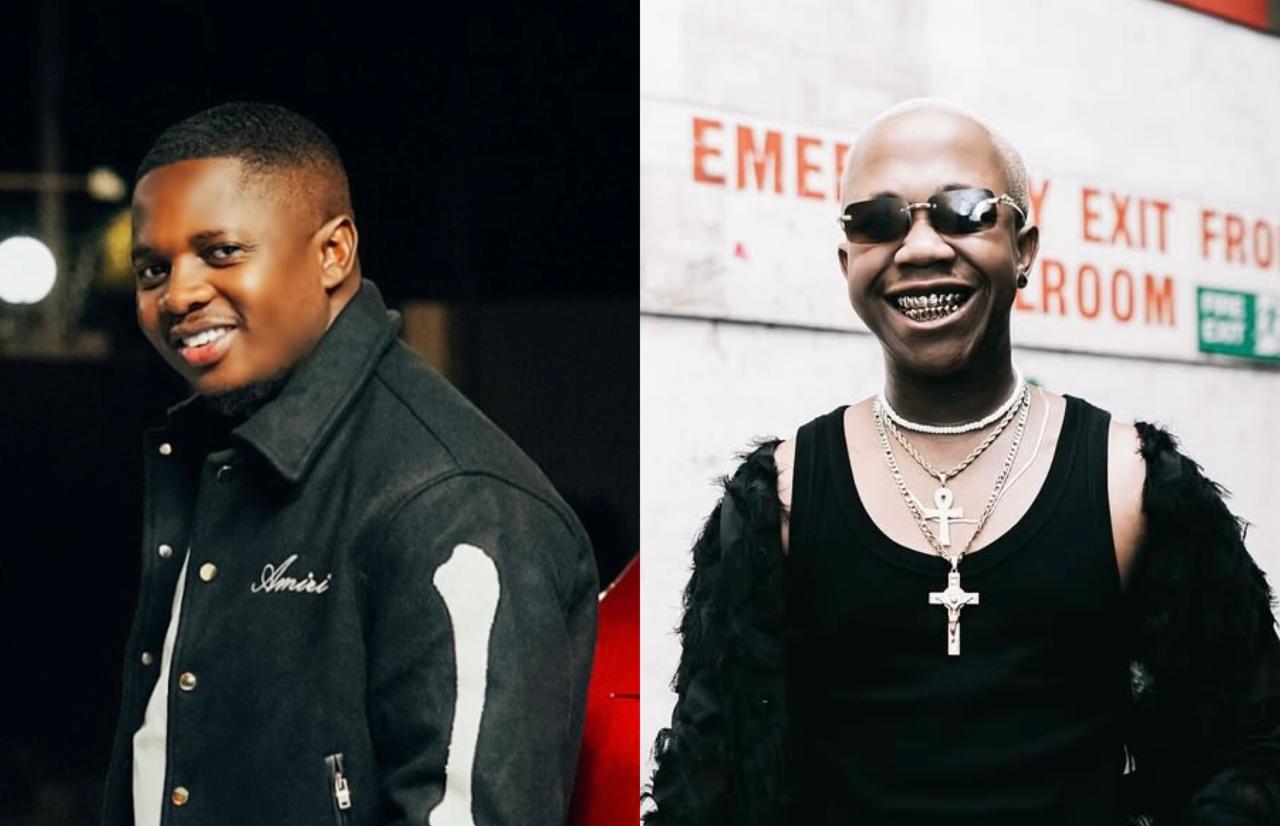

Djy Jaivane has sparked major conversation in the Amapiano community following his recent appearance on the Piano Pulse podcast, where he dropped a bombshell revelation involving Young Stunna and the hit song “Adiwele.” According to Jaivane, Young Stunna owes him for the track, as it was recorded while the artist was still signed under his label, Simnandi Records.
This revelation comes just days after Jaivane faced criticism online over alleged unpaid royalties tied to various collaborators. While he addressed those concerns, the surprising twist came when he mentioned Young Stunna during the interview.
Jaivane explained that although “Adiwele” was released under Kabza De Small, the song was recorded while Young Stunna was still contractually bound to Simnandi. Technically, this would entitle Simnandi Records to a portion of the royalties or proper crediting—something that, according to Jaivane, never happened.
“If I wanted to, I would have done the things he does on social media and said to Kabza this, Stunna this… and involved lawyers,” Jaivane stated firmly during the podcast. “But I’m not that person to run to lawyers.”
The revelation left fans stunned, particularly because “Adiwele” is widely regarded as one of Young Stunna’s breakout hits, and contributed massively to his rise to stardom. The track was a nationwide anthem, and helped solidify both his and Kabza De Small’s presence at the top of the Amapiano scene.
This latest development sheds light on the complex dynamics behind the scenes in the music industry, especially regarding artist management, contractual obligations, and royalty distribution. Jaivane’s decision to not pursue legal action speaks to his character, but also raises questions about how often these kinds of behind-the-scenes oversights occur.
Fans online have shown mixed reactions — some applauding Jaivane for his patience and grace, others calling for transparency and fairness across the industry when it comes to contracts and credit.
As the Amapiano genre continues to grow globally, these conversations are becoming more important. Djy Jaivane’s revelations may just be the tip of the iceberg when it comes to artist accountability and recognition in the fast-moving world of South African music.