



For years, the conversation around AI-generated music has been stuck in the so-called “uncanny valley.” Critics argued that while machines could replicate rhythm and structure, they could never capture the emotional depth and spiritual texture that define South African sound—especially the prayerful, soulful pulse embedded in Amapiano. That argument may have just ended.
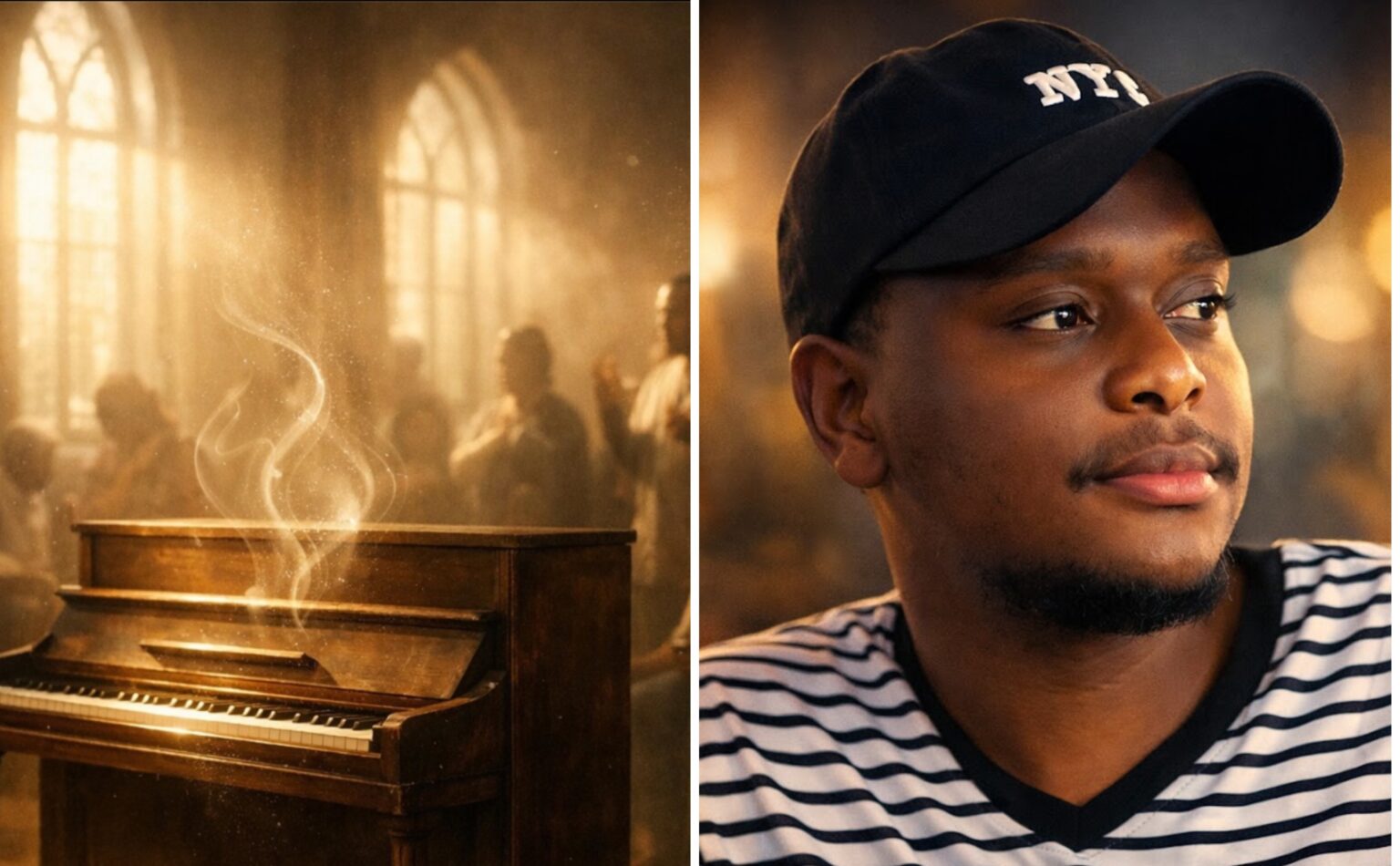
With Sunday Service (Healing Souls) P1, Zwothe Keys delivers more than a technical demonstration of AI production. The project feels intentional, culturally grounded, and spiritually immersive—positioning itself as one of the most compelling AI-driven releases to emerge locally.
I didn’t discover this album through a curated playlist or a tech blog. I discovered it in the most everyday way possible. While out shopping last week, someone in the parking lot was playing a track so loud—and so beautiful—that it stopped me mid-step. The fusion of deep, rolling log drums with soaring, almost angelic vocals sounded fresh yet familiar. I asked, “What song is this?” He smiled and replied: “Zwo’s Prayer for the Nation, It’s AI.” I was instantly curious. Since that moment, the album has been on repeat.
Zwothe Keys represents a new generation of producers proving that technology is the ultimate creative equalizer. After facing the practical challenge of high recording fees from local vocalists, he leaned into a solution inspired by his father’s advice—to fully explore the potential of AI. Today, he uses artificial intelligence to generate the distinctive, emotive vocals that define his sound, allowing him to create without the traditional limits of budget or access.
His innovation is deeply rooted in real musical discipline. With 19 years of church service as both a drummer and pianist, Zwothe Keys developed a strong foundation in melody, rhythm, and spiritual musical expression. His background also includes rap, music production, songwriting, and prompt engineering, giving him a hybrid creative skillset that naturally bridges organic musicianship and digital creation. By blending these influences, he is shaping a fresh sonic direction that merges Amapiano, Afrohouse, and Deep House, positioning himself at the forefront of a new wave where faith-based musical roots meet next-generation production tools.
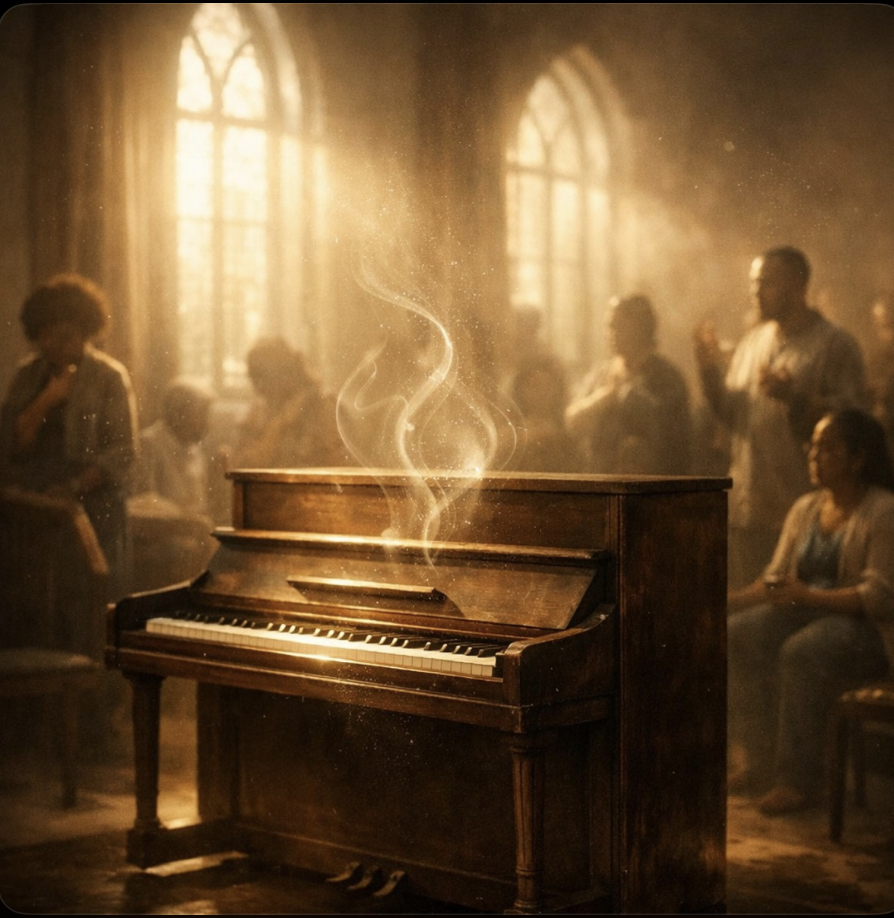
What makes the project stand out is its sensitivity to local musical identity. The seamless blending of Zulu and English lyrics gives the album emotional authenticity while maintaining the smooth, jazzy atmosphere often associated with the “Private School Amapiano” sound. The arrangements feel intentional rather than mechanical. Instead of sounding like generated patterns, the tracks unfold like testimony—layered with warmth, restraint, and spiritual undertones. After a full week of listening, one thing becomes clear: AI music is no longer experimental—it’s already part of the mainstream creative toolkit.
The nine-track journey is cohesive throughout, but several songs redefine expectations for generative production: Kuzolunga – A hopeful and uplifting record capturing resilience through layered harmonies and rich progression; Still Grateful – A reflective, emotionally rich composition that lingers long after the final note; Something About God – A spiritual groove balancing worship textures with dance-floor rhythm; Ungangishiyi Baba – A deeply personal plea driven by expressive vocal phrasing and minimalist instrumentation; Zwo’s Prayer for the Nation – One of the album’s most poignant moments, blending atmosphere and message into a sonic intercession; Qhubeka (Outro) [Symphonic Version]– A cinematic finale combining orchestral elements with traditional piano textures.
As AI music continues to evolve, the only significant barrier on the horizon is the concern from traditional artists around voice identity—the growing reaction of “that voice sounds like my voice.” With AI vocal modeling becoming more advanced, debates around artistic ownership, consent, and licensing are inevitable. Artists will want protection against unauthorized replication of their vocal tone and style, and this conversation is already beginning across the global music industry. However, this challenge is stoppable and solvable, not a creative limitation. Just as the industry eventually developed legal and ethical frameworks around sampling and publishing rights, similar systems will emerge for AI voice licensing. Artist-approved datasets, transparent labeling, and rights management structures will likely become standard practice.
What’s becoming increasingly clear is that the technology itself is unstoppable. By the end of December 2026, AI-generated music will likely be fully embedded in mainstream consumption—from radio playlists to streaming charts. A realistic projection is that half of the Top 10 streaming songs could include AI-assisted or fully AI-generated production. Not because AI replaces artists, but because artists and producers are rapidly adopting it as a creative accelerator.
Zwothe Keys hasn’t just released an album, he has presented a creative blueprint. By using AI as a tool to amplify actual talent, music and spiritual expression, the project feels rooted, modern, and forward-looking at the same time. Sunday Service (Healing Souls) P1 stands out as one of the most distinctive projects of 2026 so far (Add AI to projects if you prefer, I don’t) but most people who have listened to this music around me don’t really care whether its AI or not they just love that its great music because at the end of the day in the words of AKA “Does it bang bro? ” and it does. This project is beautifully arranged, emotionally resonant and that’s a clear signal that the “Keys” to the future are already in our hands.
Written by @thecoolsa